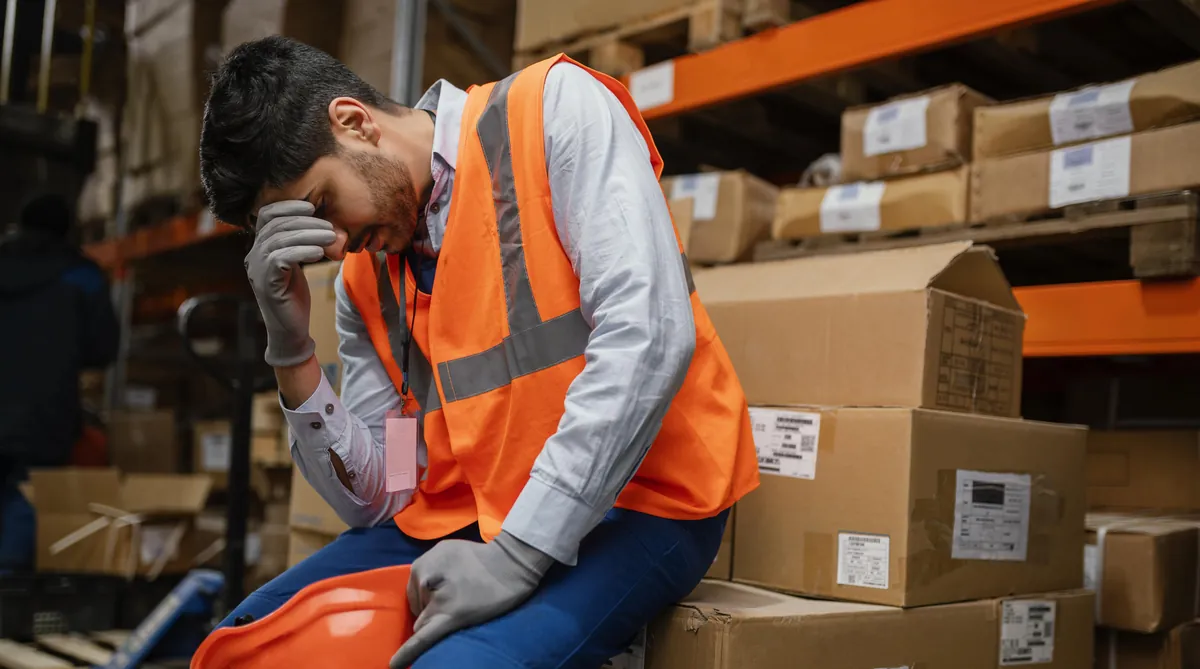
When employees are not mentally present
Burnout, mental exposure and their possible links to workplace accidents: what an examination of twenty accidents showed, and why “they were inattentive” is not always enough of an answer.
Read morePractical articles on occupational safety, fire safety and regulatory changes — written by our consultants, in plain language.
Burnout, mental exposure and their possible links to workplace accidents: what an examination of twenty accidents showed, and why “they were inattentive” is not always enough of an answer.
Read more
Selling or letting a flat in Hungary can make an electrical safety inspection mandatory. A plain-language summary of when it is required, what it means, how it works and what to watch out for as a seller or landlord.
Read more
Policies, risk assessment, training, maintenance: none of them protects on its own. What makes safety culture work in a workplace, and why is good occupational safety more than documentation? The final part of our three-part series.
Read more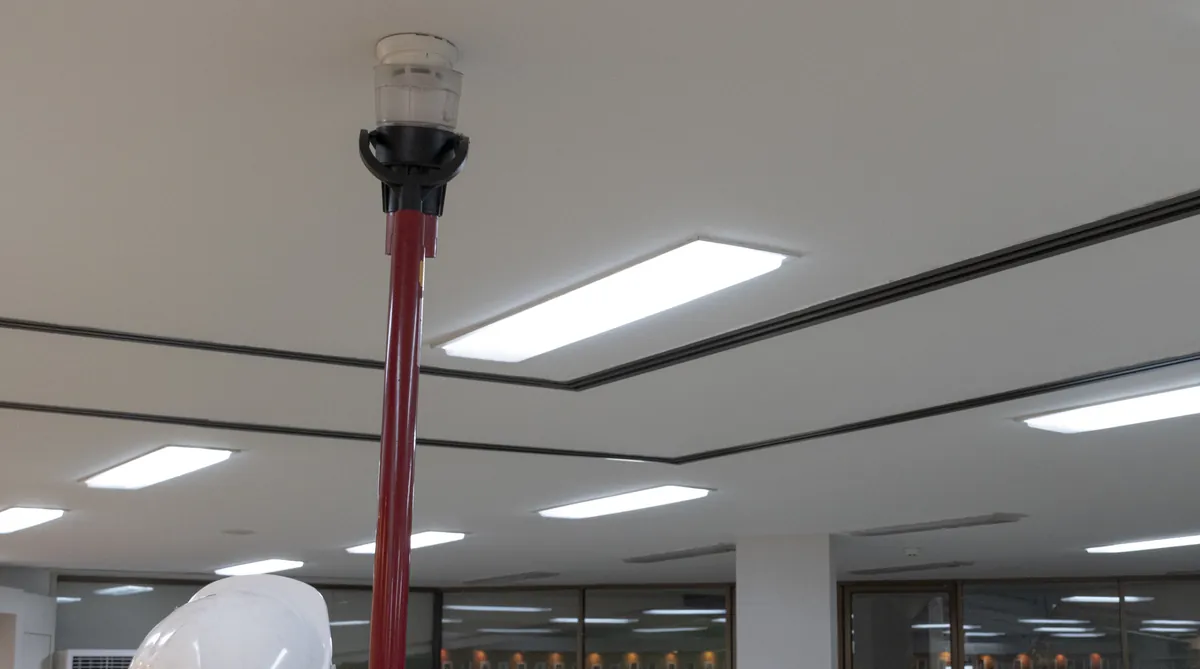
More than twenty thousand workplace accidents a year, and 4,739 residential fires of which only eight had a smoke detector: what can Hungarian numbers and everyday situations teach us? Part two of a three-part series.
Read more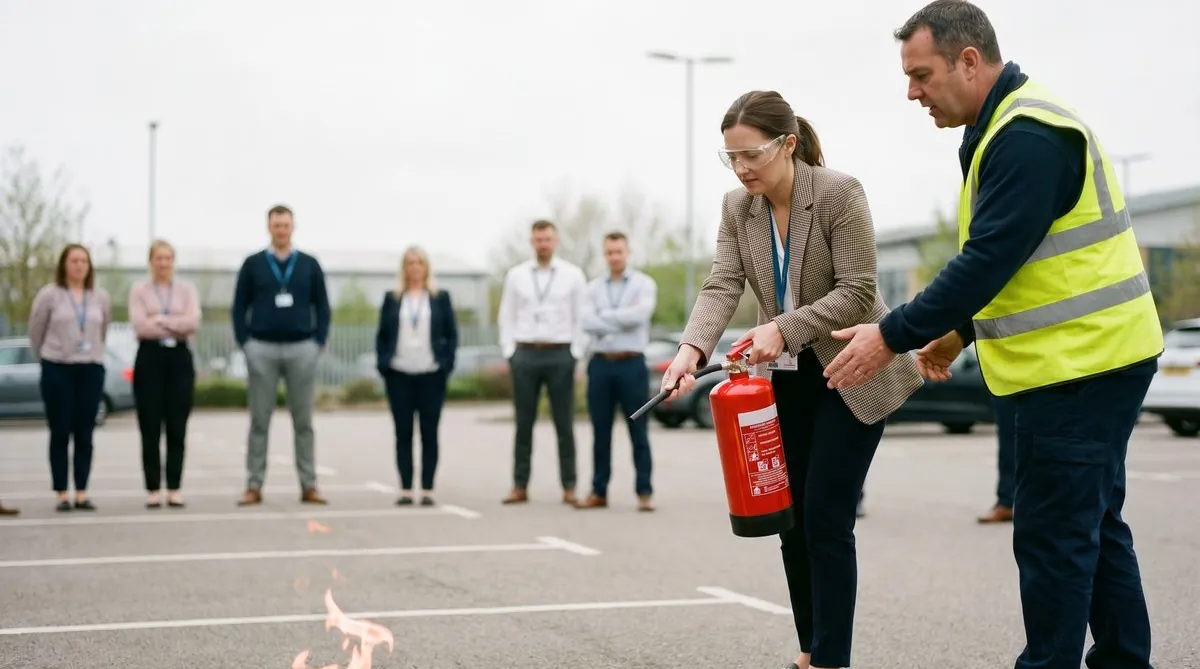
From the World Trade Center to Grenfell Tower: four fires that show why prevention, proper communication, maintenance and well-rehearsed emergency procedures can be decisive. Part one of a three-part series.
Read more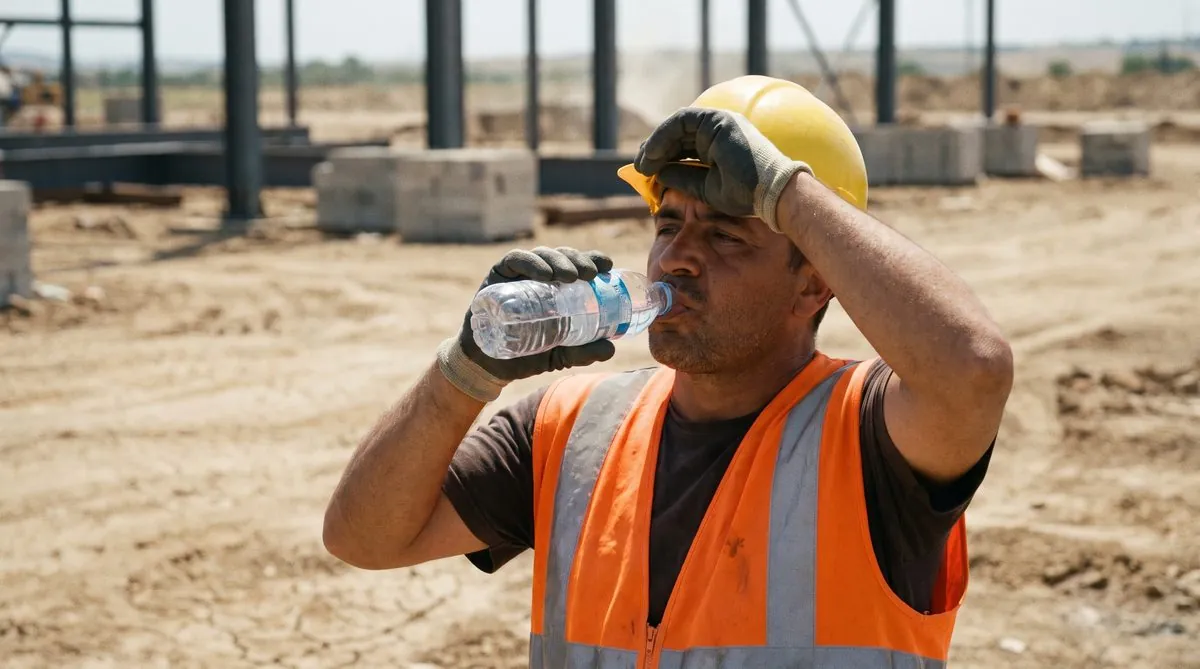
During prolonged heat, Hungarian regulations protect workers: above 24 degrees C protective drinks are mandatory, hourly rest breaks must be provided, and effective temperature limits apply by type of work.
Read more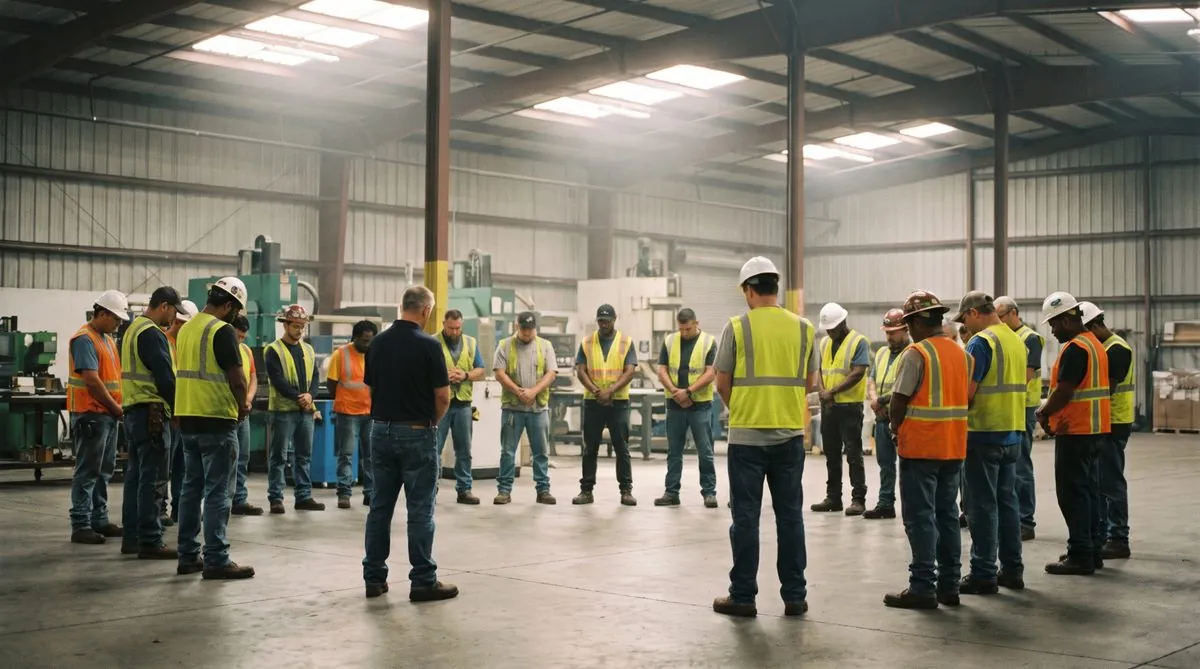
Since 2012, April 28 has been Hungary's official day of remembrance for workers injured or killed in workplace accidents. The day's Canadian origins and Hungarian accident statistics.
Read more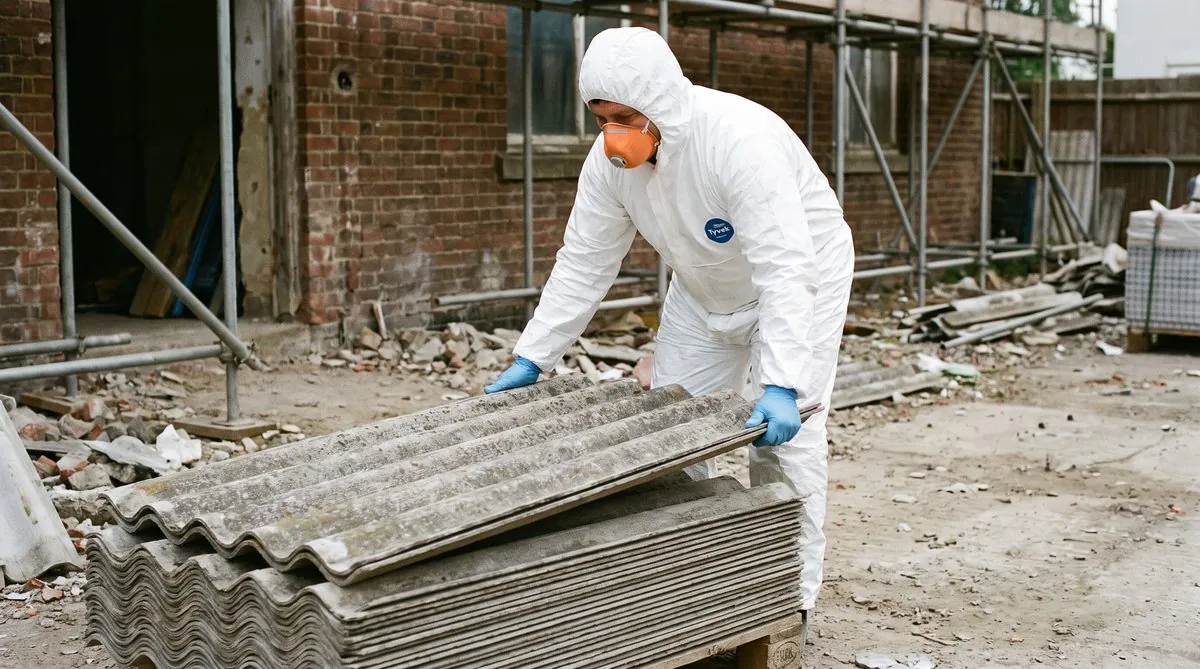
Although asbestos is banned, it is still present in older buildings and can become airborne during demolition or even simple home drilling. What asbestos is, why it is dangerous, and what Hungarian law requires.
Read more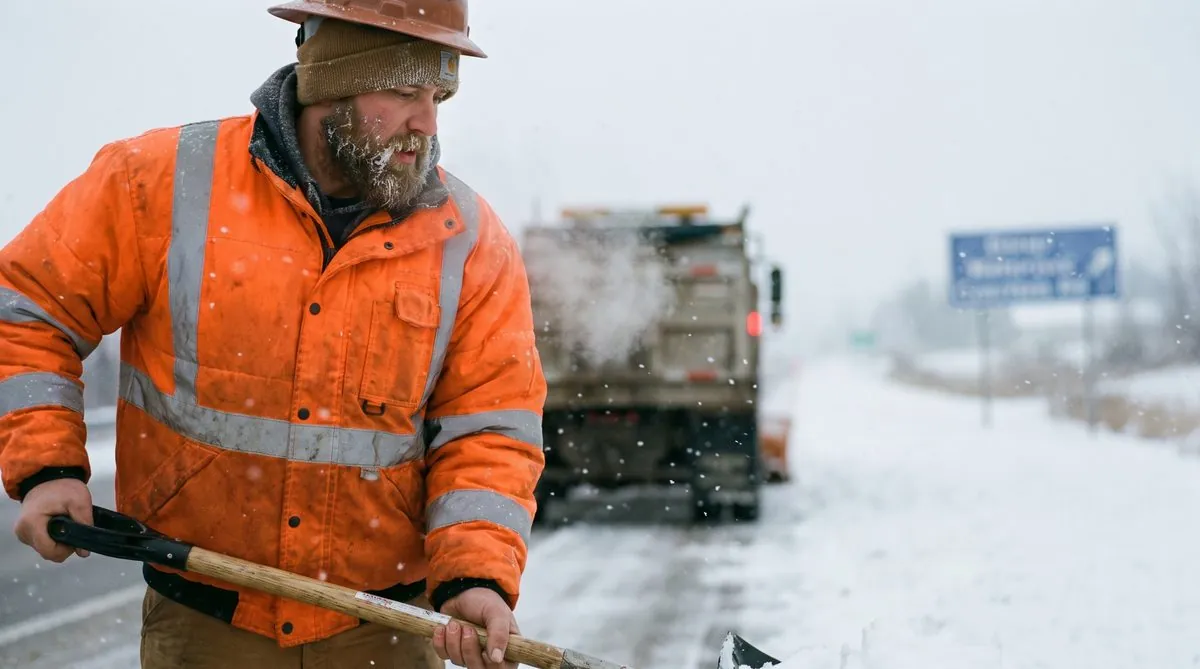
Working in the cold carries serious health risks. When does a workplace qualify as cold, and what measures must the employer take: rest breaks, hot tea and protective clothing against the cold.
Read more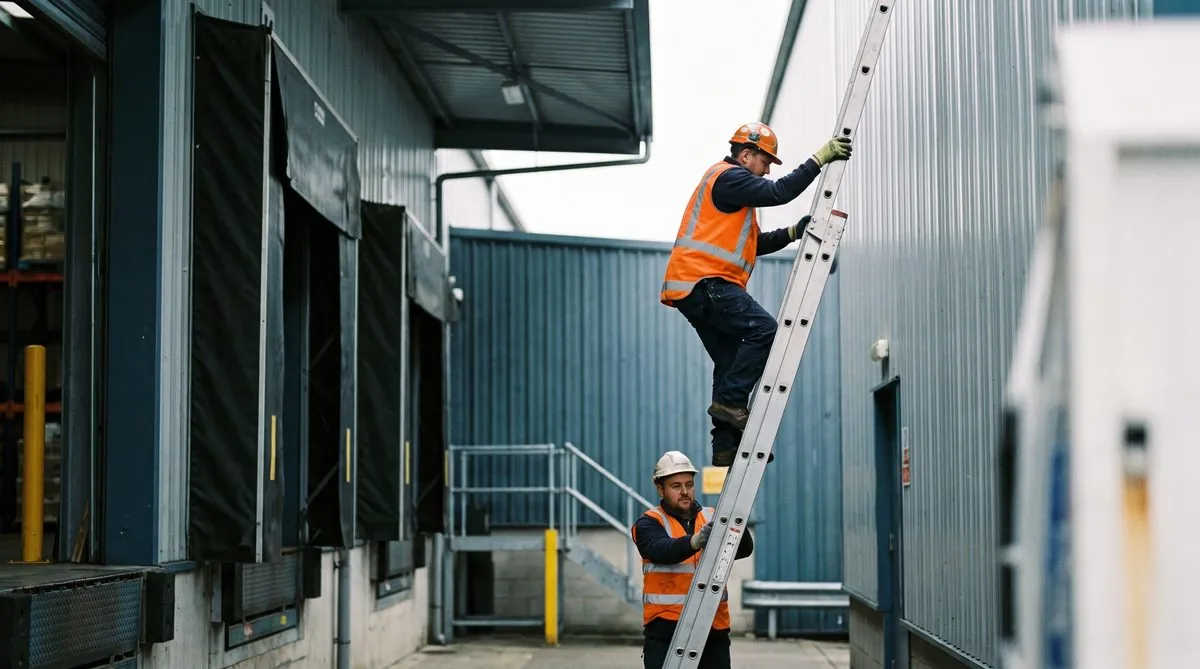
A practical ladder safety guide: setting up the ladder correctly using the 4-to-1 rule, maintaining three points of contact while climbing, and the key rules for working on a ladder.
Read more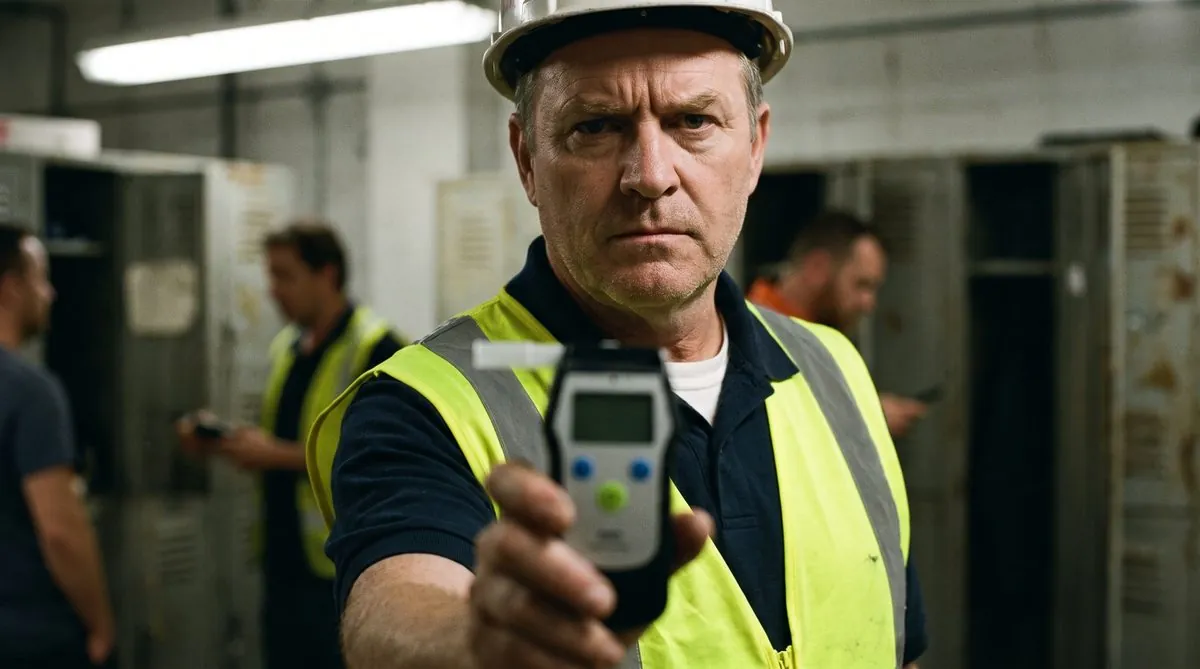
From July 1, an accident no longer qualifies as an occupational accident if it was caused, in whole or in part, by alcohol or drug impairment. What does this mean for employees and employers?
Read more
A risk assessment is not just a document for avoiding regulatory fines: handled properly, it is an effective tool that protects employees and boosts productivity.
Read more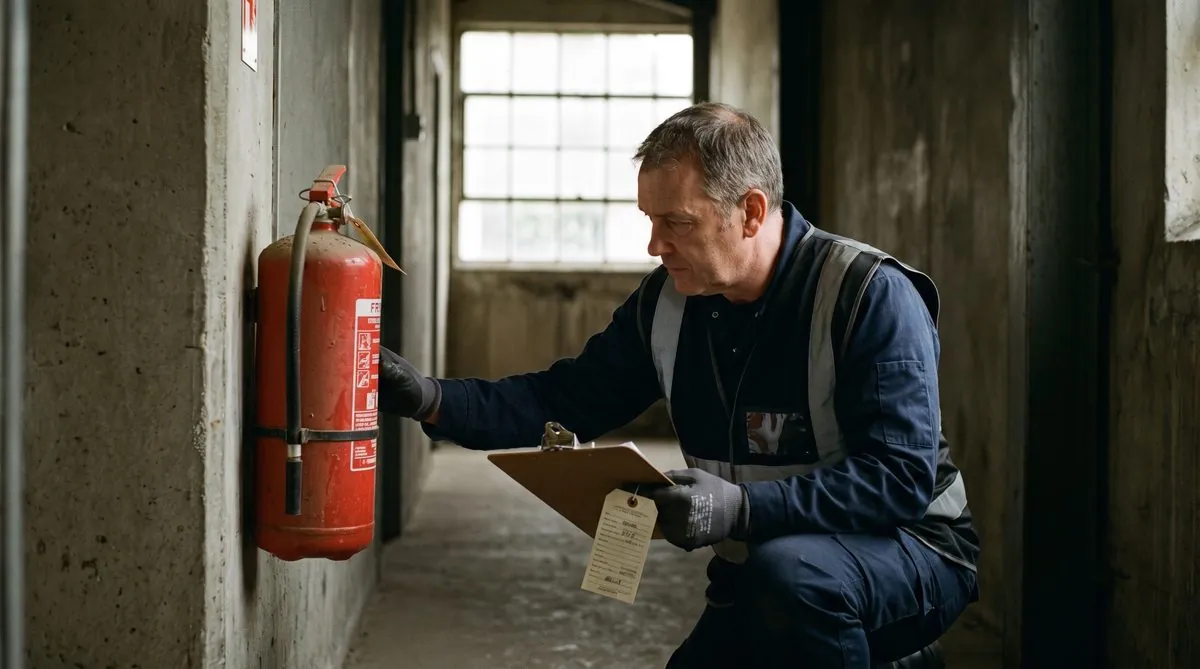
Under Decree 9/2015. (III. 25.) BM, employing a fire safety specialist has been mandatory since April 2 for schools, care homes, hotels and others - non-compliance can mean a fine of up to HUF 500,000.
Read moreCookie settings
We use Google Analytics and Google Ads cookies to measure visits and the results of our ads, and to show you personalised ads on other sites (remarketing). They are set only with your consent; if you decline, the site works exactly the same. Details: privacy policy.
Please choose to continue. You can change your decision at any time via “Cookie settings” in the footer.