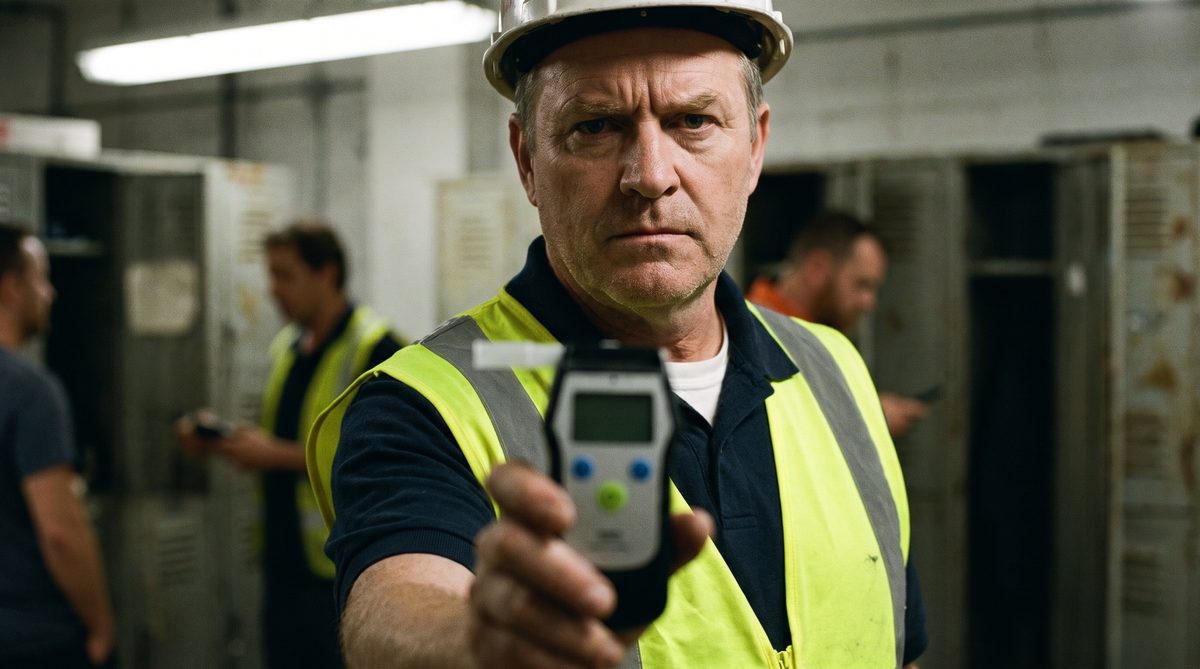
Since July 1, an accident no longer qualifies as an occupational accident if it occurred, in whole or in part, because the injured person was under the influence of alcohol or drugs. Previously, the employer was only exempt from the costs of an occupational accident if the impaired state was the sole cause - the new rule is therefore a clear tightening.
The government has tightened the rules that exclude an accident occurring during work from being declared an occupational accident.
What has changed?
Under the amended legislation, since July 1 an accident does not qualify as an occupational accident even if it occurred only in part because the injured person was under the influence of alcohol or drugs. This is unquestionably a tightening: until now, the employer was only exempt from the costs of an occupational accident if the altered state of mind was exclusively responsible.
Moreover, until now only alcohol was named in the law - drugs have now been added as well, as reported by Adozona.
How is impairment proven?
A government decree sets out when impairment by alcohol or drugs is considered proven. Accordingly, impairment is proven if a body authorised to test for alcohol or drug influence, taking part in the investigation of the accident or the care of the injured person, has confirmed it by a measurement carried out with a method that cannot be influenced by the examiner's individual judgement.
What counts as an occupational accident?
An occupational accident is one that befalls the insured person while performing work within the scope of their occupation, or in connection with it. The connection can also be established, for example, for accidents occurring during workplace washing, changing clothes, eating, or while using the occupational health service.
In the case of an occupational accident, the employee is entitled to higher sick pay than for other illnesses, and part of these costs - including healthcare - is borne by the employer. However, if the employee is solely responsible for the accident, the employer does not have to pay these costs.
WarningIf the accident was caused even partly by alcohol or drug impairment, the worker loses the higher sick pay and the accident benefits linked to occupational accidents.